
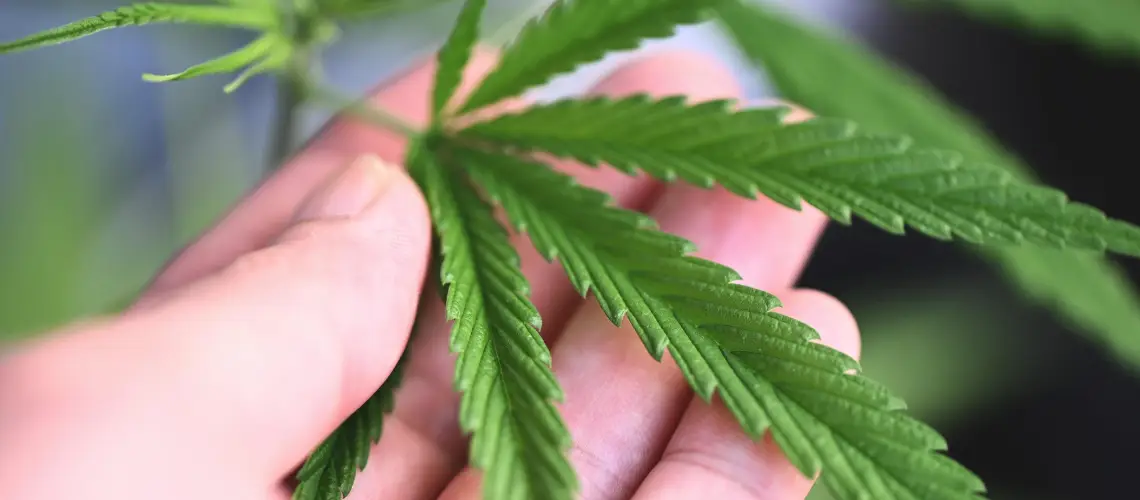
In recent years, weed has transitioned from a taboo topic to a cornerstone of holistic health in Australia. As more individuals seek natural alternatives to traditional pharmaceuticals, weed is gaining recognition for its potential therapeutic benefits. This shift reflects a broader movement towards embracing plant-based healing and personalized wellness strategies.
The Rise of Plant-Based Therapies
Australians are increasingly turning to plant-based treatments to address various health concerns, from chronic pain to anxiety. The shift towards natural remedies reflects a broader desire for treatments that align with the body’s innate healing processes. Weed, in particular, has emerged as a popular option due to its versatility and potential benefits.
Telehealth: Bridging the Gap
Telehealth services have revolutionized access to alternative health care in Australia. Patients can now consult with healthcare professionals remotely, discussing the potential benefits of weed and other plant-based therapies without the need for in-person visits. This accessibility has made it easier for individuals across the country to explore holistic health options.
Legal Considerations
While the legal landscape surrounding weed in Australia is evolving, it’s essential for individuals to stay informed about current regulations. Consulting with licensed professionals through telehealth platforms ensures that patients receive guidance that complies with national laws. This approach promotes safe and responsible use of plant-based therapies.
Integrating Weed into Holistic Health
Incorporating weed into a holistic health regimen involves more than just consumption. It requires a comprehensive approach that considers diet, exercise, mental health, and other lifestyle factors. Healthcare providers can offer personalized plans that integrate weed responsibly and effectively, ensuring optimal outcomes for patients.
Benefits of Weed in Holistic Health
Research and anecdotal evidence suggest that weed may offer several benefits when used as part of a holistic health plan:
- Pain Management: Weed has been reported to help alleviate chronic pain conditions, providing an alternative to traditional pain medications
- Anxiety Reduction: Some individuals find that weed helps reduce anxiety levels, promoting a sense of calm and relaxation
- Improved Sleep: Weed may assist in improving sleep quality, helping those with insomnia or other sleep disorders
- Enhanced Appetite: For individuals struggling with appetite loss, weed can stimulate hunger, aiding in nutritional intake
Challenges and Considerations
Despite the potential benefits, integrating weed into a health regimen requires careful consideration:
- Dosage: Determining the appropriate dosage is crucial to avoid adverse effects and achieve desired outcomes
- Interactions: Weed may interact with other medications or health conditions, necessitating professional guidance
- Legal Restrictions: Understanding and adhering to local laws is essential to ensure compliance and safety
The Future of Weed in Australian Healthcare
As societal perceptions continue to evolve, weed is poised to play an increasingly significant role in Australian healthcare. Ongoing research, coupled with growing public interest, suggests a promising future for weed as a component of holistic health strategies. Healthcare providers and policymakers alike are recognizing the potential of plant-based therapies to complement traditional treatments.
Conclusion
The integration of weed into holistic health practices marks a significant shift in Australia’s approach to wellness. By embracing plant-based therapies and leveraging telehealth services, Australians are exploring new avenues for achieving optimal health. As research continues and legal frameworks adapt, weed is set to become an integral part of the nation’s healthcare landscape.