
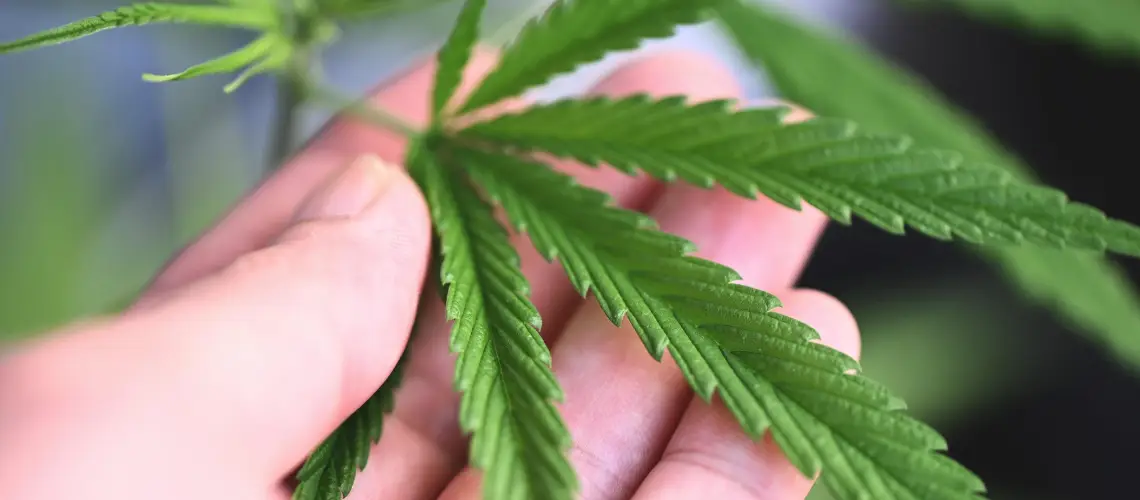
Weed and Wellness: How Australians Are Embracing Plant-Based Healing
In recent years, weed has transitioned from a taboo topic to a cornerstone of holistic health in Australia. As more individuals seek natural alternatives to traditional pharmaceuticals, weed is gaining recognition for its potential therapeutic benefits. This shift reflects a broader movement towards embracing plant-based healing and personalized wellness strategies.
The Rise of Plant-Based Therapies
Australians are increasingly turning to plant-based treatments to address various health concerns, from chronic pain to anxiety. The shift towards natural remedies reflects a broader desire for treatments that align with the body’s innate healing processes. Weed, in particular, has emerged as a popular option due to its versatility and potential benefits.
Telehealth: Bridging the Gap
Telehealth services have revolutionized access to alternative health care in Australia. Patients can now consult with healthcare professionals remotely, discussing the potential benefits of weed and other plant-based therapies without the need for in-person visits. This accessibility has made it easier for individuals across the country to explore holistic health options.
Legal Considerations
While the legal landscape surrounding weed in Australia is evolving, it’s essential for individuals to stay informed about current regulations. Consulting with licensed professionals through telehealth platforms ensures that patients receive guidance that complies with national laws. This approach promotes safe and responsible use of plant-based therapies.
Integrating Weed into Holistic Health
Incorporating weed into a holistic health regimen involves more than just consumption. It requires a comprehensive approach that considers diet, exercise, mental health, and other lifestyle factors. Healthcare providers can offer personalized plans that integrate weed responsibly and effectively, ensuring optimal outcomes for patients.
Benefits of Weed in Holistic Health
Research and anecdotal evidence suggest that weed may offer several benefits when used as part of a holistic health plan:
- Pain Management: Weed has been reported to help alleviate chronic pain conditions, providing an alternative to traditional pain medications
- Anxiety Reduction: Some individuals find that weed helps reduce anxiety levels, promoting a sense of calm and relaxation
- Improved Sleep: Weed may assist in improving sleep quality, helping those with insomnia or other sleep disorders
- Enhanced Appetite: For individuals struggling with appetite loss, weed can stimulate hunger, aiding in nutritional intake
Challenges and Considerations
Despite the potential benefits, integrating weed into a health regimen requires careful consideration:
- Dosage: Determining the appropriate dosage is crucial to avoid adverse effects and achieve desired outcomes
- Interactions: Weed may interact with other medications or health conditions, necessitating professional guidance
- Legal Restrictions: Understanding and adhering to local laws is essential to ensure compliance and safety
The Future of Weed in Australian Healthcare
As societal perceptions continue to evolve, weed is poised to play an increasingly significant role in Australian healthcare. Ongoing research, coupled with growing public interest, suggests a promising future for weed as a component of holistic health strategies. Healthcare providers and policymakers alike are recognizing the potential of plant-based therapies to complement traditional treatments.
Conclusion
The integration of weed into holistic health practices marks a significant shift in Australia’s approach to wellness. By embracing plant-based therapies and leveraging telehealth services, Australians are exploring new avenues for achieving optimal health. As research continues and legal frameworks adapt, weed is set to become an integral part of the nation’s healthcare landscape.

Homeopathy – A Natural Approach to Healing
What is Homeopathy?
Homeopathy is a form of alternative medicine developed over 200 years ago, based on the principle of “like cures like.” It uses highly diluted substances derived from plants, minerals, and animals to stimulate the body’s natural healing mechanisms.
Unlike conventional medicine, which often focuses on suppressing symptoms, homeopathy aims to address the underlying cause of illness. Homeopathic remedies are personalised to the individual, considering not only physical symptoms but also emotional and mental well-being.
How Homeopathy Works
- Dilution and Potency: Remedies undergo serial dilution and succussion (vigorous shaking) to enhance their healing properties while reducing toxicity.
- Personalised Treatment: Homeopathy treats individuals rather than diseases, ensuring remedies match a person’s unique symptoms and constitution.
- Minimal Side Effects: Due to extreme dilutions, homeopathic medicines are considered safe for all ages, including infants and pregnant women.
Health Benefits of Homeopathy
Homeopathy is widely used for managing chronic and acute conditions. Some of its key benefits include:
- Allergy Relief: Homeopathic remedies like Allium Cepa and Natrum Muriaticum are used to alleviate hay fever and seasonal allergies.
- Pain and Inflammation Management: Homeopathy provides relief for arthritis, fibromyalgia, migraines, and nerve pain.
- Mental and Emotional Well-being: Remedies such as Ignatia and Aconite help with stress, anxiety, and emotional imbalances.
Scientific Perspective on Homeopathy
While homeopathy remains a debated topic in medical circles, some studies suggest its effectiveness in treating conditions like upper respiratory infections, chronic fatigue, and digestive disorders. Many individuals report positive outcomes from homeopathic treatments, particularly when used as part of an integrative healthcare plan.
Zenith Clinics and Homeopathy
Zenith Clinics Sydney offers consultations and access to homeopathic treatments as part of their integrative healthcare approach. By supporting patients with personalised homeopathic remedies, Zenith Clinics provides an alternative path for those seeking natural and non-invasive health solutions.

How Medical Cannabis Types Are Used for Specific Conditions
Medical cannabis offers tailored relief for various health conditions. By selecting the right strain or form, patients can achieve targeted treatment outcomes.
Medical Cannabis for Chronic Pain
- Recommended Strains:
- Indica strains like Granddaddy Purple.
- High-CBD strains for non-psychoactive relief.
- Form: Oils or vapourisers for quick, lasting effects.
Medical Cannabis for Anxiety and Stress
- Recommended Strains:
- CBD-dominant strains like ACDC.
- Sativa strains with uplifting effects.
- Form: Tinctures for precise dosing and quick relief.
Medical Cannabis for Neurological Disorders
- Recommended Strains:
- High-CBD strains like Charlotte’s Web for epilepsy.
- Hybrid strains for multiple sclerosis.
- Form: Capsules for consistent, long-term management.
Medical Cannabis for Cancer Treatment Side Effects
- Recommended Strains:
- THC-dominant strains for nausea and appetite loss.
- Form: Edibles or oils for sustained relief.
Conclusion
Matching medical cannabis types to specific conditions ensures optimal therapeutic benefits. Consult with a healthcare professional to personalise your treatment plan.

Understanding the Different Forms of Medical Cannabis
Medical cannabis comes in a variety of forms, each suited for specific treatment goals and patient preferences. This guide breaks down the most common forms of medical cannabis and their applications.
Popular Forms of Medical Cannabis
Oils and Tinctures
- Easy to dose and administer under the tongue.
- Best for: Chronic pain, anxiety, and epilepsy.
Capsules and Tablets
- Precise dosing in a convenient form.
- Best for: Consistent, long-term use.
Vapourisers
- Offers fast relief with controlled dosing.
- Best for: Acute pain and nausea.
Topicals
- Applied directly to the skin for localised relief.
- Best for: Arthritis and muscle pain.
Edibles
- Longer-lasting effects, ideal for chronic conditions.
- Best for: Appetite stimulation and sleep disorders.
How to Choose the Right Form of Medical Cannabis
Consider:
- Onset Time: Vapourisers act quickly, while edibles take longer to kick in.
- Duration: Oils and capsules provide sustained effects.
- Condition: Topicals are best for localised pain, while tinctures are effective for systemic issues.
Conclusion
The variety of medical cannabis forms allows for personalised treatment approaches. Speak with your healthcare provider to determine the best form for your condition.

A Comprehensive Guide to the Types of Medical Cannabis
Medical cannabis offers diverse treatment options tailored to specific health needs. With a wide range of strains and formulations available, understanding the types of medical cannabis is key to choosing the best option for your condition.
What Are the Types of Medical Cannabis?
Medical cannabis is generally classified into three main categories:
- Indica: Known for its calming effects, indica strains are ideal for relaxation and pain relief.
- Sativa: Energising and uplifting, sativa strains are commonly used for mood disorders and fatigue.
- Hybrid: A blend of indica and sativa traits, hybrids are customised for balanced effects.
Detailed Overview of Medical Cannabis Types
Indica Strains
- Characteristics: Shorter plants with broad leaves, higher CBD content.
- Benefits: Ideal for managing pain, insomnia, and anxiety.
- Example: Northern Lights, a popular strain for relaxation.
Sativa Strains
- Characteristics: Taller plants with narrow leaves, often higher in THC.
- Benefits: Boosts energy and focus, alleviates depression and stress.
- Example: Jack Herer, known for its uplifting properties.
Hybrid Strains
- Characteristics: A mix of indica and sativa genetics.
- Benefits: Offers tailored effects, depending on the strain’s dominance.
- Example: Blue Dream, a hybrid that combines pain relief with mood enhancement.
How to Choose the Right Type of Medical Cannabis
Condition-Specific Recommendations:
- Chronic pain: Opt for indica or indica-dominant hybrids.
- Anxiety: High-CBD, low-THC strains like Charlotte’s Web.
- Fatigue: Sativa strains with energising effects.
Conclusion
Understanding the types of medical cannabis enables patients and healthcare providers to make informed decisions. Whether you need relaxation, energy, or balance, there’s a strain to meet your needs.